Garage Door Safety Rules to Teach Children
A garage door is one of the largest moving objects most children encounter at home. It opens and closes so often that it can start to feel harmless, almost like a light switch or a faucet. That familiarity is exactly why parents and caregivers need to teach clear rules early. A child does not need to understand every part of a garage door opener, but they do need to know that the door is heavy, automatic movement can be dangerous, and controls are not toys.
Good garage door safety is not one talk given after a scare. It is a household habit. Children learn it when adults repeat the same rules, store remotes properly, test safety features, and refuse to treat a moving garage door as something to race under. The goal is not to make children afraid of the garage. The goal is to make the boundary obvious: the garage door is equipment, not a play structure.
Federal safety standards for automatic residential garage door openers in the United States require entrapment protection, such as a photoelectric electric eye sensor or an equivalent safety system. That requirement matters, but it does not replace supervision or instruction. Safety devices reduce risk when they are installed, aligned, and working. Children still need to learn what not to touch, where not to stand, and when to call an adult.
The first rule: never play near a moving garage door
The most important rule is also the simplest: children should stay away from the garage door when it is opening or closing. Not near the tracks. Not under the door. Not at the threshold waiting for the last moment to duck through. A child who treats the door like a game is relying on equipment to save them if something goes wrong, and that is not a fair burden to place on any safety system.
Adults sometimes send mixed signals without meaning to. A parent presses the garage door opener, sees the door halfway up, then slips under it because they are carrying groceries. A child watches and copies the shortcut. From a child’s point of view, adult behavior is the real rule. If the family rule is “wait until the door stops moving,” adults have to follow it too.
The safest instruction is concrete: stand back, watch from a safe distance, and move only after the door has fully opened or closed. Children understand visible boundaries better than abstract warnings. If the garage has a floor seam, a storage line, or another obvious marker away from the door’s path, use it as the waiting spot. The exact marker matters less than consistency. Every child in the household should know where to stand.
This also applies when the door appears to be moving normally. A garage door can be quiet, smooth, and still dangerous if someone is in the wrong place. The danger is not limited to dramatic failures. Pinch points, moving panels, garage door tracks, garage door rollers, and the area beneath the closing door all deserve respect.
Keep remotes and wall controls out of children’s reach
A garage door remote looks harmless. Many are small, plastic, and button-operated, which puts them in the same mental category as toys, car keys, and television remotes for younger children. That is a problem. Children should be taught that the garage door opener is an adult control, and remote controls should be kept out of their reach.
This rule becomes especially important in homes where children play in the driveway or where the garage opens into a common play area. A child may press the remote just to see what happens, then run toward the moving door. Another child may be standing near the threshold, hidden from view. The person pressing the button may not understand that starting the door creates a real hazard.
Wall-mounted opener controls deserve the same attention. If a child can reach the wall button, they can operate the door without understanding the risk. Parents should set a clear rule that children do not press the garage door button unless an adult specifically allows it and is present. Even then, permission should be rare and supervised, because repeated “button helper” routines can blur the line between adult equipment and play.
Older children need a slightly different conversation. They may be mature enough to operate the garage door in limited situations, but they still need rules about visibility. Before pressing the control, they should know where siblings, friends, pets, and adults are. They should watch the door until it completes its travel. They should never start the door and walk away.
Teach children what the sensors do, and what they do not do
Many families know their garage has sensors, but children often misunderstand them. The small devices near the bottom of the garage door opening are commonly called photoelectric sensors or electric eye sensors. They are part of the entrapment protection required for automatic residential garage door openers, or they may be replaced by an equivalent safety system depending on the opener design.
Children do not need a technical lesson, but they should know the basic idea: the garage door sensors help detect something in the door’s path. If they are working properly, they can help prevent the door from closing on a person or object. That explanation should always be followed by the more important point: sensors are not something to test with your body, your bike, your backpack, or your little brother.
I have seen families accidentally teach the wrong lesson by demonstrating the sensors too casually. An adult waves a foot through the beam, the door reverses, and the child learns that the door is “smart.” A better demonstration, if a parent chooses to show it at all, is controlled and adult-led, with the child standing back. The message should be that safety features are backup protection, not permission to play near the door.
Children should also be told never to touch, kick, cover, or move the sensors. A sensor that has been bumped out of place may prevent the door from closing correctly, or it may create confusion for the next person using the opener. If a child sees blinking lights, loose wires, a sensor knocked sideways, or a door that behaves strangely, the correct response is to tell an adult. It is not their job to fix it.
Make the monthly reversal test part of family safety culture
Safety reversal systems should be tested monthly. That is not busywork. Non-reversing garage door openers have been identified as a hazard, and a properly functioning opener should reverse when closing onto an obstruction. If the door fails to reverse, it should be adjusted according to the owner’s manual or inspected by a professional.
For parents, the monthly test serves two purposes. First, it checks that the opener’s entrapment protection is doing what it should. Second, it gives the household a recurring moment to reinforce the rules. Children see that adults take the garage door seriously. They hear the same language again: stand clear, do not touch the controls, wait until the door stops, tell an adult if something seems wrong.
The test itself should be handled by an adult. Children can watch from a safe place if the parent wants to make it educational, but they should not be the ones placing objects, pressing buttons, or standing near the moving door. Keep the lesson simple. “We check this because safety parts have to work every time. You never test the door with your body.”
A useful family rhythm is to connect the garage door inspection to another monthly task. Some households pair it with changing HVAC filters, checking smoke alarms, or reviewing emergency supplies. The exact pairing is not important. What matters is that garage door safety does not depend on memory after something goes wrong.
Rules children should know by heart
Children respond well to rules that are short enough to repeat and specific enough to follow. Long explanations are useful for adults, but children need language they can remember in the moment. The following set works because it covers the most common behaviors that create risk around residential garage doors.
Those rules should be taught the same way other household safety rules are taught, through repetition and calm correction. A child who forgets and starts toward a moving door should be stopped immediately, but the correction should focus on behavior rather than panic. “Stop. We wait until the door is done moving.” Then practice the right behavior once.
For younger children, the most important words are “stop” and “wait.” For older children, add responsibility. They should understand that using the garage door opener means watching the door and keeping others clear. The more freedom a child has around the house, the more clearly the garage door rules should be stated.
The parts children should never touch
A garage door has several visible parts that attract curious hands. Tracks run along the sides. Rollers move inside those tracks. Cables run along the door system. Garage door springs, including torsion springs on many systems, are part of the lifting mechanism. These components are not toys, handles, climbing supports, or places to hang equipment.
Children may see a track as a groove to run fingers along or a place to poke a stick. They may see garage door rollers moving and want to watch up close. They may notice garage door cables and tug at them out of curiosity. They may see springs and not understand that they are part of a system designed to help move a heavy door. The safest rule is broad and firm: do not touch any garage door parts.
This is also where adults need to be careful with storage. Toys, balls, scooters, and bikes placed near the door invite children into the operating area. If a child has to reach between the track and the wall to retrieve a ball, the garage layout is working against safety. Keep children’s items away from the door opening and away from the mechanical parts. A clean threshold makes the rule easier to follow.
Garage door lubrication, garage door balance checks, and mechanical adjustments belong in adult hands, and often in professional hands depending on the issue. Children should not help by holding parts, pressing controls, or standing nearby during garage door maintenance. Even well-intended helping can place them too close to moving hardware.
When the door behaves strangely, children should report, not investigate
A noisy garage door, a door that reverses unexpectedly, a door that will not close, or a door that looks crooked should trigger one child response: get an adult. Children should not troubleshoot garage door problems. They should not press the opener repeatedly to “make it work.” They should not pull on cables, adjust sensors, shake the door, or push against panels.
Repeated button pressing is especially common. A door starts down, reverses, and a child presses the wall button again. From the child’s perspective, the door is simply not obeying. From a safety perspective, the opener may be responding to an obstruction, sensor issue, or other condition that deserves attention. Teaching children not to override a problem is a practical safety lesson.
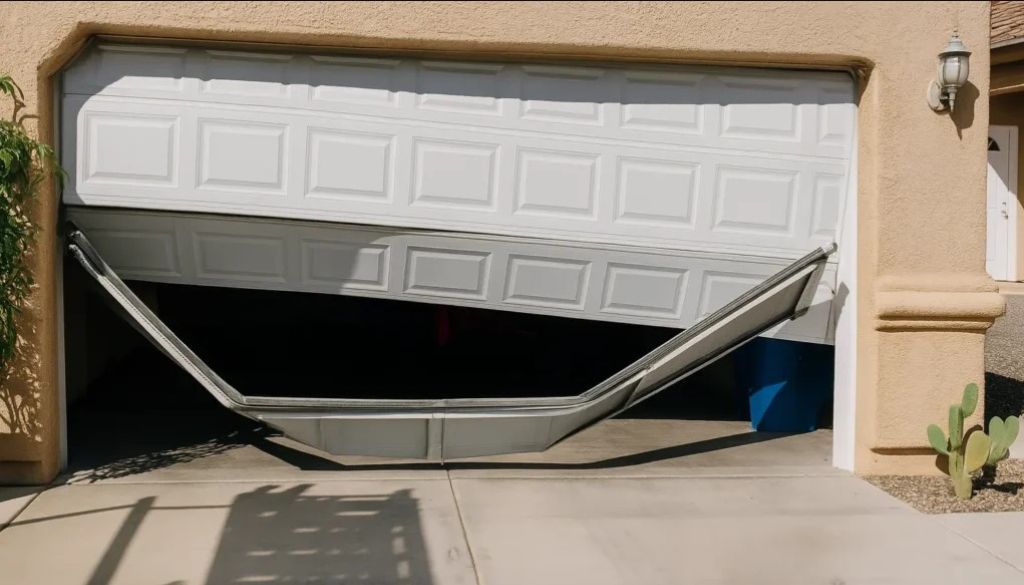
Adults should model the same restraint. If the garage door fails to reverse during a safety test, or if it does not behave as expected, it should be adjusted according to the owner’s manual or inspected by a professional. If the issue points to damaged or misaligned components, professional garage door repair is the safer path. A homeowner may be able to identify that something is wrong, but identifying a problem is different from safely correcting it.
Garage door troubleshooting should begin with caution. Is everyone clear of the door? Are children inside the house or standing well away? Is the opener responding unpredictably? Those questions matter before any inspection begins. When children see adults slow down around a malfunctioning door, they learn that strange behavior is a stop sign.
What parents should check without turning children into helpers
A parent or caregiver does not need to be a technician to maintain a safer garage environment. Regular observation goes a long way. The key is to keep children out of the work area while adults check the door and opener.
A practical adult check includes the following:
That short routine supports both garage door maintenance and child safety. It also reinforces that safety is ongoing. A garage door that worked properly last year still deserves attention this month. Sensors can be bumped. Controls can be misplaced. Children can grow taller and suddenly reach buttons they could not reach before. Household routines change, and safety habits need to keep up.
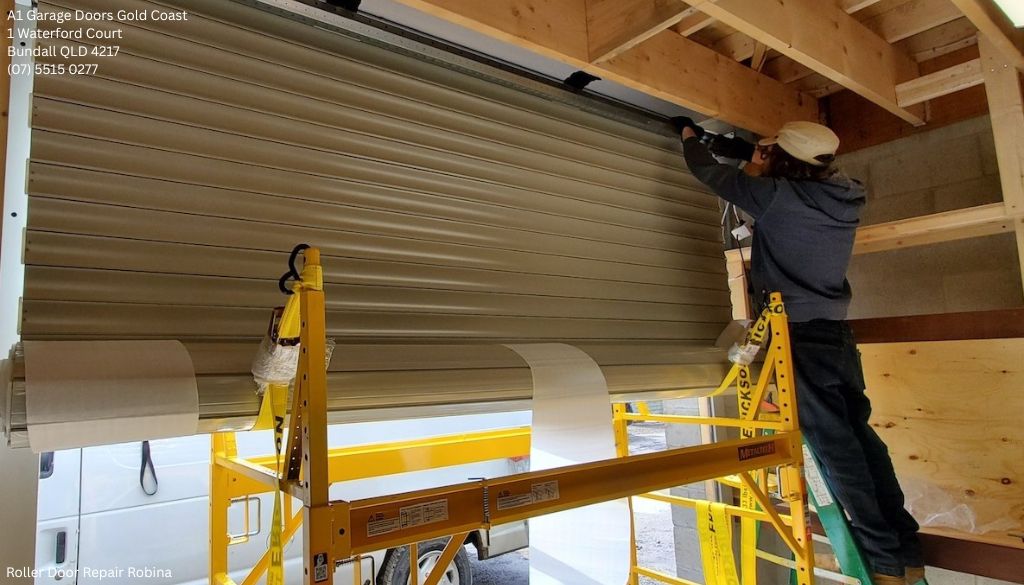
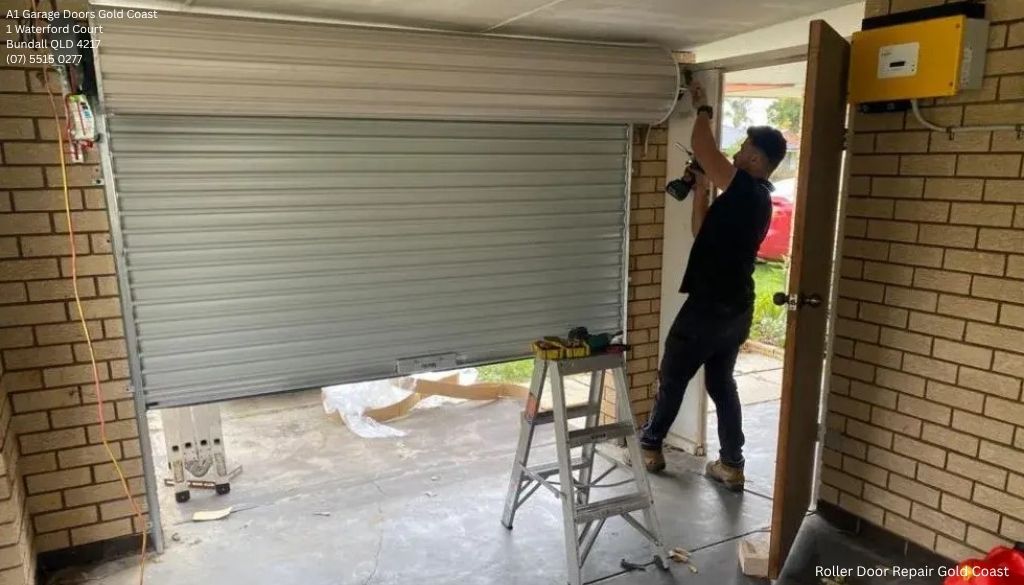
Parents should avoid involving children in hands-on garage door inspection. A child can be told, “We are checking the door, so you need to stay inside,” without making it dramatic. The garage is often cramped, and installation or repair work can involve ceiling-height tasks, hand tools, awkward positions, and limited space. Those conditions are not suitable for children standing nearby.
Why professional service matters when safety is involved
There is a Gold Coast door maintenance services difference between keeping the garage tidy and repairing a garage door system. Sweeping the floor, moving toys away from the door, and storing remotes securely are household tasks. Adjusting a malfunctioning opener, working near garage door springs, correcting garage door cables, or addressing damaged garage door tracks is another matter.
Professional garage door repair exists because these systems combine weight, movement, stored force, electrical controls, and overhead hardware. Even a careful adult can underestimate the risk, especially when trying to work in a cramped garage around vehicles, shelves, tools, and children’s belongings. Installation and repair work often happens at ceiling height and in awkward postures. That setting leaves little margin for distraction.
If a garage door opener fails its reversal test, the owner’s manual may provide adjustment instructions. If the problem is not clear, or if the door still fails to reverse properly, it should be inspected by a professional. The same judgment applies when the door appears unbalanced, when parts look damaged, or when the system behaves unpredictably. Garage door balance, sensor alignment, spring condition, cable condition, and opener function all affect safety.
Garage door installation and garage door replacement deserve the same careful approach. A newly installed door is not automatically safe for children unless the opener’s entrapment protection is present and working, controls are placed and used responsibly, and the family understands the rules. After any installation, repair, or replacement, parents should review the household safety rules again. A new system can change sounds, speed, controls, and routines, which means children may need fresh instruction.
Age-appropriate conversations that actually stick
A preschool child does not need a lecture about federal standards or torsion springs. They need simple, repeated commands: “Stop. Wait. Do not touch.” The adult should physically guide them to the waiting spot and praise the correct behavior. At that age, the garage door rule should feel like the rule for crossing a street. You stop, you wait, and an adult decides when it is safe.
Elementary-age children can understand cause and effect. They can learn that the door moves automatically, that sensors help but are not toys, and that pressing the button affects everyone nearby. This is the right age to explain why racing under the door is never allowed, even if they think they are fast enough. The point is not whether they can make it through. The point is that the rule protects everyone, including younger siblings and friends who may copy them.
Teenagers may need a more direct conversation about responsibility. If they use the garage to leave for school, sports, or work, they should treat the opener like a household safety device. They should not close the door without looking. They should not leave younger children near the opening. They should not ignore a malfunction because they are running late. If the door will not close correctly, they should tell an adult rather than forcing the issue.
Children with sensory differences, impulsive behavior, or limited understanding may need additional structure. That could mean stricter control of remotes, clearer physical boundaries, or more direct supervision in the garage. The rule is the same, but the support changes. Safety teaching should meet the child’s actual behavior, not the adult’s hope that one reminder will be enough.
The driveway side of the lesson
Garage door safety does not stop at the threshold. Many children encounter the door from the driveway while riding bikes, chasing balls, or waiting for a parent to pull in. The outside of the door deserves the same respect as the inside. A child should not stand against it, lean toys on it, sit in front of it, or play close to it when someone may be operating the opener.
This matters because the person pressing the garage door remote may be in a vehicle or at a distance. They may not have a full view of a child sitting near the bottom of the door or standing close to the tracks. Good adult habits help, but children should also know that the driveway area near the garage door is not a play zone when the door might move.
If children play in the driveway, set the play area away from the garage opening. Bikes and scooters should not be parked where the door closes. Balls should be stored where children do not need to chase them into the door path. These small layout choices reduce the number of times a child has to make a safety decision.
Parents should also be careful during busy transitions. School mornings, grocery unloading, sports practice departures, and holiday visits all create distraction. That is when children drift, adults hurry, and remotes get passed around. A family rule such as “everyone stands by the side door until the garage door is fully open” can prevent confusion during those rushed moments.
Guests, babysitters, and grandparents need the same rules
Children often behave differently when someone else is supervising them. A babysitter may not know that the youngest child likes to press buttons. A grandparent may hold the remote within easy reach. A visiting friend may think it is funny to run under the door. Garage door safety rules should be shared with anyone who watches the children or uses the garage.
The conversation does not need to be formal. A simple statement is enough: “The kids are not allowed to touch the garage door controls, and they have to stay back until the door stops moving.” If a sitter will be using the garage, show them where the controls are and explain what to do if the door reverses, will not close, or seems unsafe. The answer should be to stop using it and contact the parent, not to keep trying.
Children’s friends are another overlooked factor. A child may know the rules perfectly until a friend turns the moving door into a dare. Parents should correct visiting children just as clearly as their own. “We do not run under garage doors here.” There is no need for a long explanation in the moment. Firm, calm, immediate correction protects everyone.
The adult example is the lesson children believe
Children notice whether adults take garage door safety seriously. If adults duck under a moving door, leave remotes on low shelves, ignore failed reversal tests, or treat sensor problems as annoyances, children absorb that attitude. If adults wait, watch, test, repair, and store controls carefully, children absorb that too.
The strongest safety culture is quiet and consistent. The door opens, everyone waits. The remote goes back to its place. The monthly safety reversal test happens. A strange noise gets attention. A failed test leads to adjustment according to the manual or professional inspection. Children are not asked to help with garage door repair, and they are not allowed to experiment with controls.
Garage doors are convenient because they turn a heavy moving barrier into a push-button system. That convenience can hide the seriousness of the equipment. Teaching children the rules brings that seriousness back into view without fear or drama. Stay clear. Do not touch. Wait until it stops. Tell an adult when something seems wrong. Those few habits, reinforced by working safety features and responsible garage door maintenance, make the garage a safer part of the home.