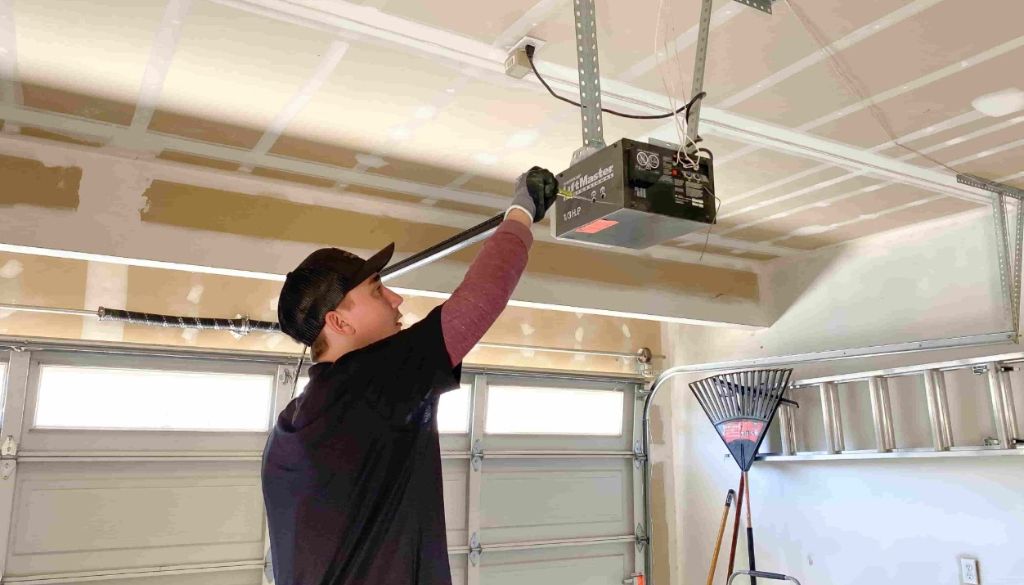
Why Spring Replacement Is a Two-Spring Job Even When Only One Breaks
When a single spring snaps on a two-spring garage door, the instinctive reaction is to replace just the broken one and leave the survivor in place. It seems logical and economical, but experienced technicians almost always recommend replacing both, and there are sound mechanical reasons behind that advice rather than simple upselling. The two springs on your door have lived identical lives, and the failure of one is a reliable warning about the other. Below you'll find why paired replacement is the standard practice, what happens if you replace only one, and how technicians judge when a single spring really is the exception.Both Springs Share the Same History
On a door fitted with two springs, both were installed on the same day, wound to the same tension, and have opened and closed the door exactly the same number of times. They have endured the same humidity, the same temperature swings and the same load. Springs fail primarily through metal fatigue, which accumulates with each cycle. So when one reaches its breaking point, the other is, by definition, almost there too.
Replacing only the broken spring leaves you with one brand-new component and one that is at the very end of its working life. It is rarely a question of whether the second spring will fail, only when, and it is usually soon.
What Goes Wrong When You Replace Only One
A second breakdown is likely within months
The remaining old spring carries on accumulating fatigue and typically fails not long after its partner. That means a second service call, a second period of inconvenience, and the labour of opening up the system all over again.
Mismatched springs unbalance the door
A fresh spring and a worn spring do not pull with equal force. The new one is stronger, the old one weaker, so the door is no longer evenly counterbalanced. This uneven pull can make the door rise crooked, wear the rollers and tracks unevenly, and put extra strain on the opener.
The opener works harder
An unbalanced door forces the motor to compensate, shortening the opener's life. What looked like a saving on one spring can quietly cost you a motor down the track.
How Technicians Approach the Decision
A technician will look at the age and condition of the surviving spring, the wire gauge and the cycle rating, and the way the door is balancing. On a door only a year or two old where one spring failed early due to a defect, replacing the single spring may be reasonable. But on a door several years into service, where both springs show the same surface wear and corrosion, paired replacement is the sensible call. They will also match the new springs precisely to the door's weight, because correctly specified springs last longer and balance the door properly.
Importantly, replacing both springs at once means they will age together, so the next failure, years away, is again predictable rather than a surprise.
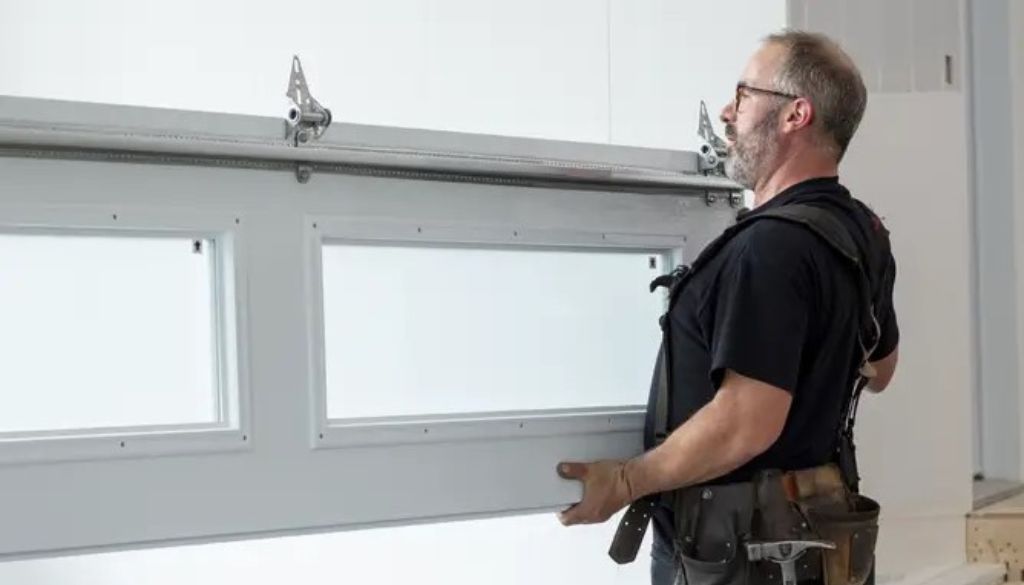
Common Homeowner Mistakes
- Choosing the cheapest short-term option: Replacing one spring often costs more overall once the second call-out is counted.
- Mixing spring sizes or brands: Pairing springs of different specifications creates uneven tension and premature wear.
- Refusing a balance check: Skipping the balance test after replacement misses the chance to confirm the door is correctly counterweighted.
- Treating springs as cosmetic: Springs are safety-critical load-bearing parts, not minor consumables.
Safety Considerations
Spring replacement involves winding components under high tension, which is hazardous without the correct winding bars and method. There is an added reason to do both at once: every time the system is opened up and re-tensioned carries some risk, so consolidating the work into a single, properly executed job is safer than returning to disturb a tensioned system again weeks later.
When to Call a Professional
Any spring failure on a two-spring door is the moment to have both assessed. A technician can confirm the surviving spring's condition, match replacements to the door's weight, and balance and test the door so it runs evenly and the opener is not left straining.
Frequently Asked Questions
My door has only one spring. Does this still apply?
No. Single-spring doors only have the one component to replace. This advice specifically concerns doors fitted with two springs.
Is replacing both springs really necessary, or is it a sales tactic?
It is genuine mechanical advice. The springs share an identical cycle history, so the second is usually close behind the first.
How long after one spring breaks will the other go?
There is no fixed figure, but it is commonly a matter of months given their shared age and use.
Can I run the door on one new spring temporarily?
It is not advisable. The mismatch unbalances the door and strains the opener, and the old spring may fail at any time.
About A1 Garage Doors Gold Coast
A1 Garage Doors Gold Coast services homes and businesses across the Gold Coast and surrounding suburbs for repairs, replacements and installations. Contact details are below.
A1 Garage Doors garage door repair Gold Coast
1 Waterford Court, Bundall, QLD 4217 Phone: (07) 5515 0277 Website: https://goldcoastgaragedoorrepair.com.au Replacing both springs when only one has broken is not about doing more work than necessary; it is about not having to do the same work twice. The two springs aged together, so they will fail together, and pairing a new spring with a worn one unbalances the door and overloads the opener. On any two-spring door more than a couple of years into service, replacing the pair is the choice that keeps the door balanced, the opener protected and your future free of an avoidable second breakdown.