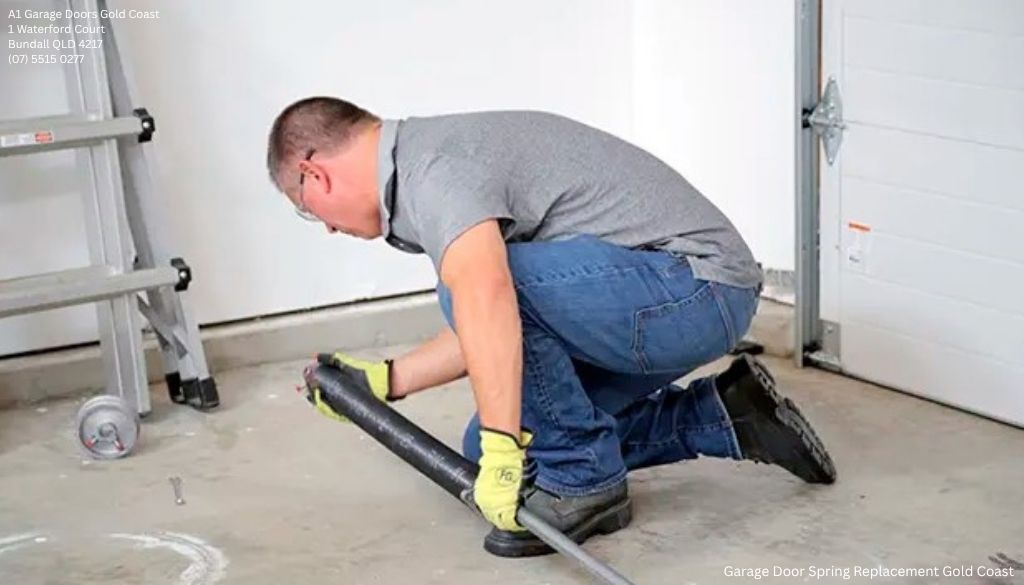
Why Garage Doors Expand and Contract With Temperature
A garage door that fits perfectly on a mild morning can bind, stick or rattle differently as the day heats up or cools down. The reason is a basic property of materials: they expand when warm and contract when cool. Over a single day, and across the seasons, your door and its hardware are continually growing and shrinking by small amounts, and those small movements have real effects on how the door operates. Recognising thermal movement for what it is helps you understand seasonal quirks and avoid mistaking them for faults, while knowing when the movement signals a genuine problem. Below you'll find how and why doors expand and contract, what effects it produces, and how to tell normal thermal behaviour from a fault.The Basic Physics
Almost all materials change size with temperature. Metals expand noticeably when heated and contract when cooled, and different materials expand by different amounts. A garage door combines metal panels or frames, steel hardware, and sometimes timber or composite elements, each responding to temperature in its own way. As the garage warms in the day's heat and cools overnight, all these parts grow and shrink slightly, and because they are joined together, the door's overall fit and the clearances within it shift accordingly.
The Effects You Might Notice
Changes in fit and clearance
As panels and frames expand, the gaps around the door and within the tracks narrow; as they contract, the gaps widen. A door set with tight clearances can bind in the heat and run freely in the cool, or vice versa.
Sticking at certain temperatures
A door may stick only when hot, or only when cold, because that is when the expansion or contraction brings parts into contact or out of alignment.
Noises that come and go
Thermal movement can cause creaking, ticking or popping as parts expand against one another, sounds that appear and disappear with the temperature.
Seal performance
Seals and weather strips are affected too, becoming firmer in the cold and softer in the heat, which changes how well they bridge the gaps.
Why It Matters Over Time
Beyond the day-to-day quirks, repeated expansion and contraction is one of the quiet stresses that ages a door. The constant cycling of materials growing and shrinking works at joints and fasteners, gradually loosening hardware. It contributes, alongside use, to the metal fatigue that eventually ends springs and cables. And it can slowly affect alignment as the structure and the door move through countless thermal cycles. None of this is dramatic in the short term, but it is part of why doors need periodic tightening and adjustment.
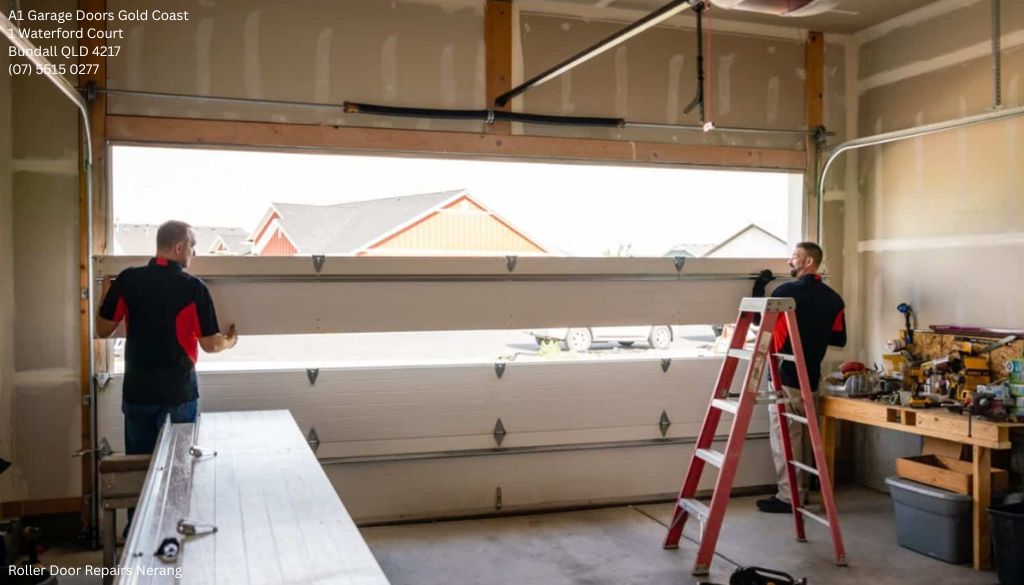
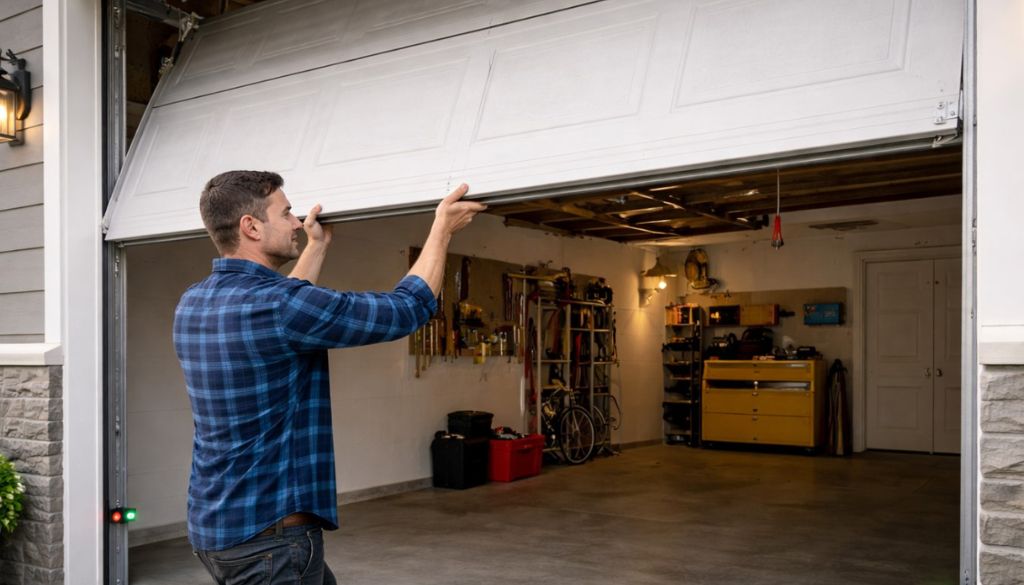
Normal Thermal Behaviour vs a Fault
- Likely normal: A slight change in fit or a faint creak that comes and goes with the temperature, on a door that otherwise operates smoothly.
- Worth checking: A door that binds or sticks noticeably at certain temperatures, suggesting clearances are set too tight or alignment is marginal.
- A fault, not just thermal: Persistent sticking, grinding, or binding that does not resolve as the temperature changes points to corrosion, wear or misalignment rather than simple expansion.
- Loosening over time: Hardware that has worked loose through thermal cycling needs tightening, which is maintenance rather than a defect.
Common Homeowner Mistakes
- Assuming every temperature-related change is a fault: Some thermal movement is normal and not a sign of damage.
- Ignoring binding that only happens when hot or cold: Clearances set too tight can be adjusted so the door runs freely across temperatures.
- Forcing a door that sticks at a certain temperature: Forcing it strains the opener; the clearances or alignment are better adjusted.
- Neglecting periodic tightening: Thermal cycling loosens hardware over time, so occasional tightening is part of normal upkeep.
How Technicians Account for Thermal Movement
A technician commercial garage door repairs Gold Coast setting up or servicing a door allows for thermal movement, setting clearances so the door runs freely across the temperature range it will see rather than only when it was adjusted. If a door binds at certain temperatures, they adjust the alignment and clearances to give consistent operation. They also tighten hardware that thermal cycling has loosened, and distinguish genuine thermal quirks from faults like corrosion or wear, so the real cause of any sticking is addressed.
When to Call a Professional
If your door binds, sticks or behaves noticeably differently with the temperature, a technician can determine whether the clearances need adjusting for thermal movement or whether wear, corrosion or misalignment is the real cause, and set the door up to operate smoothly across the seasons.
Frequently Asked Questions
Do garage doors really change size with temperature?
Yes, slightly. The metal, timber and other materials expand in heat and contract in cold, which shifts the door's fit and clearances.
Why does my door only stick when it's hot?
Heat expands the parts, narrowing clearances, so a door set tight can bind when hot and run freely when cool. The clearances can be adjusted.
Is temperature-related noise a problem?
A faint creak or tick that comes and goes with temperature is often normal thermal movement. Persistent grinding or binding is worth checking.
Can thermal movement loosen my door's hardware?
Over time, yes. Repeated expansion and contraction works at fasteners, so periodic tightening is part of normal maintenance.
About A1 Garage Doors Gold Coast
A1 Garage Doors Gold Coast services homes and businesses across the Gold Coast and surrounding suburbs for repairs, replacements and installations. Contact details are below.
A1 Garage Doors Gold Coast
1 Waterford Court, Bundall, QLD 4217 Phone: (07) 5515 0277 Website: https://goldcoastgaragedoorrepair.com.auGarage doors expand in the heat and contract in the cool, so their fit, clearances and even their sounds can shift through the day and across the seasons. A little of this is normal, but a door that binds noticeably at certain temperatures usually has clearances set too tight or alignment that could be improved, and persistent sticking points to wear or corrosion rather than simple thermal movement. Allow for the materials' natural growth and shrinkage, keep the hardware tightened, and have marginal clearances adjusted so the door runs smoothly whatever the thermometer says.