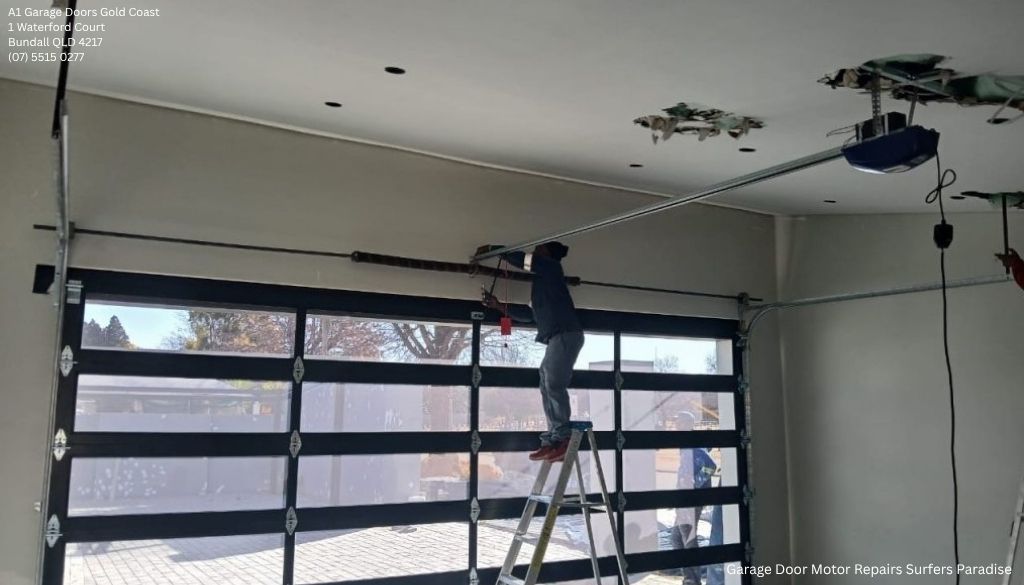
The Gap Between Door and Track: What's Normal and What Isn't
Stand inside your garage and look closely at where the door meets its tracks, and you will notice gaps, between the roller and the channel, between the door edge and the frame, and along the sides as the door sits closed. Some of these gaps are entirely normal and necessary, while others are a quiet warning that something has shifted. Telling the difference is a genuinely useful skill for any homeowner. A door needs a little room to move freely, but too much or too little, or a gap that changes along the door's travel, points to a fault worth investigating. Below you'll find which gaps are healthy, which signal a problem, and how technicians read them during an inspection. 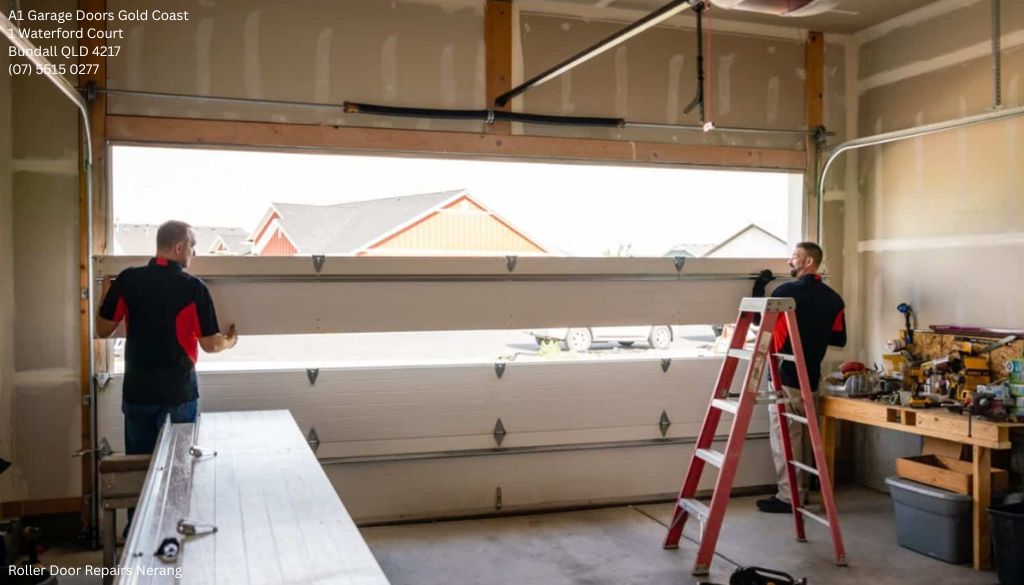
Why Some Gap Is Necessary
A garage door is not meant to fit its tracks like a piston in a cylinder. The rollers need a small amount of clearance within the channel to turn freely and to accommodate the slight movements of the door and the building. A correctly set door has a consistent, modest gap between the roller stems and the track, enough for free movement, not so much that the rollers rattle or risk coming out. This clearance is normal and designed in.
Gaps That Are Usually Fine
- A small, even clearance around the rollers: Consistent along the track, this is the room the rollers need to run smoothly.
- A modest gap at the sides when closed: Weather seals are designed to bridge this; a small even gap behind the seal is normal.
- Slight movement when the door is pushed: A little give is expected; the door is not rigidly fixed.
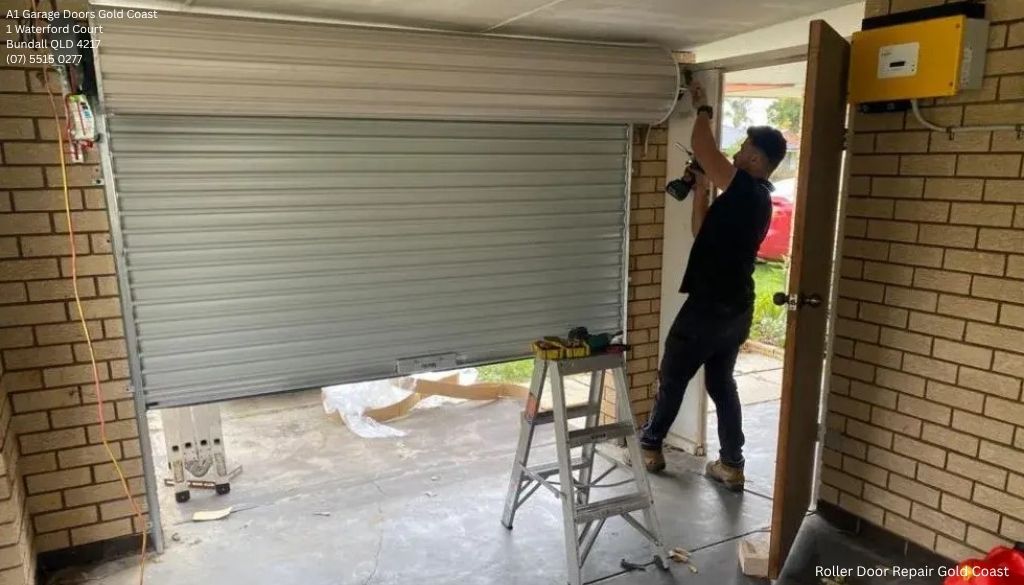
Gaps That Signal a Problem
A gap that changes along the door's travel
If the space between roller and track widens or narrows as the door moves, the track is not parallel to the door's path, which usually means misalignment. This is one of the clearest warning signs.
Too much clearance
An excessive gap lets the rollers rattle and, in the worst case, climb out of the track. It can stem from worn rollers, a loose track or incorrect spacing.
Too little clearance, or binding
If the door catches or the roller is pressed hard against one side of the channel, the track may be bent or set too close, forcing the roller and wearing it quickly.
An uneven gap at the floor when closed
If one side of the door sits higher than the other, leaving a wedge of daylight, the door is out of level, often from a cable or spring imbalance.
A growing gap along the sides letting in light or water
Widening side gaps can indicate a shifting track or a door pulling out of square, and they also let weather and pests in.
Why These Gaps Matter
Beyond the obvious annoyance of draughts, pests and rain, abnormal gaps point to underlying faults that worsen over time. A changing roller gap means misalignment that wears rollers and strains the opener. An uneven floor gap signals an imbalance that overloads one side of the system. Side gaps let the coastal local garage door installation team Gold Coast weather into the garage, accelerating corrosion of the very hardware that keeps the door working. Reading the gaps early lets you catch these issues while they are minor.
Common Homeowner Mistakes
- Stuffing the gaps with material: Packing a gap does not fix the misalignment or imbalance causing it.
- Adjusting the track to close a gap blindly: Without measurement, this often trades one problem for another.
- Ignoring an uneven floor gap: A wedge of daylight at the bottom usually means a balance issue worth checking.
- Assuming all gaps are seal problems: A new seal will not help if the real cause is a shifting track or out-of-square door.
How Technicians Read the Gaps
During an inspection a technician runs the door slowly and watches the roller-to-track clearance along the whole travel, looking for any change that betrays misalignment. They check that the door sits level when closed, that the side gaps are even, and that the seals are bridging the designed clearance. Where a gap is wrong, they trace it to its cause, worn rollers, a loose or bent track, or an imbalance, and correct that rather than just the symptom.
When to Call a Professional
If you notice a roller gap that changes along the track, an uneven gap at the floor, or side gaps that have grown and now let in light or water, a technician can diagnose whether the cause is alignment, rollers, balance or seals, and put it right. Catching these early prevents the wear and weather intrusion they otherwise cause.
Frequently Asked Questions
How much gap should there be around the rollers?
Just enough for the rollers to turn freely, and crucially, it should stay consistent along the track. A changing gap is the real warning sign.
Is a gap at the bottom of my door normal?
A small even gap bridged by the bottom seal is normal. A gap that is uneven side to side suggests the door is out of level.
Can I close a side gap with a new weather seal?
A seal helps if the gap is within design tolerance. If the gap is from a shifting track or out-of-square door, that cause needs fixing first.
Why is light coming in along one side only?
Often because the track on that side has moved or the door is no longer square, which a technician can assess and correct.
About A1 Garage Doors Gold Coast
A1 Garage Doors Gold Coast services homes and businesses across the Gold Coast and surrounding suburbs for repairs, replacements and installations. Contact details are below.
A1 Garage Doors Gold Coast
1 Waterford Court, Bundall, QLD 4217 Phone: (07) 5515 0277 Website: https://goldcoastgaragedoorrepair.com.au A garage door needs a little clearance to run freely, so not every gap is a fault, but a gap that changes along the travel, an uneven wedge of daylight at the floor, or growing side gaps all tell a story. They point to misalignment, imbalance or a shifting track, and left alone they wear rollers, strain the opener and let the coastal weather in. Learn to read the gaps as the door's own diagnostic display, and act on the ones that change or grow.