The Auto-Reverse Safety Check Every Garage Door Owner Should Know
Your garage door is the largest and heaviest moving object in your home, and it is operated by people, children and pets passing underneath it every day. The auto-reverse function is the safety feature that stops the door closing on anything in its path, and it is the single most important safeguard the door has. Yet it can quietly stop working, and few homeowners ever check that it still does its job. There is a simple test you can perform to confirm the auto-reverse is working, and doing it periodically is one of the most worthwhile minutes you can spend on your door. Below you'll find what auto-reverse does, how to test it safely, and what it means if the test fails.What Auto-Reverse Does
Auto-reverse is the function that makes a closing door stop and go back up when it meets resistance or detects an obstruction. It works through two systems. The photo-eye sensors near the floor reverse the door if their beam is broken before the door reaches the ground. The opener's force-sensing system reverses the door if it physically contacts an object and meets more resistance than expected on the way down. Together they are designed to prevent the door closing on a person, a pet or a vehicle.
The Physical Obstruction Test
This test checks the force-sensing reversal, the system that responds to contact. Lay a solid but expendable object flat on the floor in the door's path, a length of timber laid down, or a sturdy roll of something firm, positioned where the bottom of the door will meet it. Then close the door using the opener. When the door's bottom edge contacts the object, it should stop and reverse back up promptly. If it does, the contact reversal is working. If the door continues to push down, crushes the object, or keeps trying to close, the system has failed the test and needs attention.
Use an object you do not mind being pressed, and never use your own hand or foot, or ask anyone to act as the obstacle.
The Sensor Reversal Test
This separate test checks the photo-eye system. With the door open, press the button to close it, then wave a long object, such as a broom handle, through the beam near the floor as the door descends, without putting any part of your body in the door's path. The door should immediately stop and reverse when the beam is broken. If it keeps closing, the sensor reversal is not working and the sensors need checking.
What It Means If the Test Fails
- The door doesn't reverse on contact: The force setting may be too high, the limits misadjusted, or the opener's sensing faulty, all of which can let the door close dangerously.
- The door doesn't reverse on a broken beam: The photo-eyes may be faulty, misaligned or wired wrongly.
- The door reverses too easily: The force may be set too sensitively, which, while safer, points to setup that needs balancing against reliable operation.
A door that fails either test should be treated as having a safety fault until it is repaired.
How Often to Test
It is sensible to run these tests periodically, many manufacturers suggest roughly once a month, and certainly after any work on the door, opener, springs or sensors. Settings can drift, sensors can be knocked, and balance can change, all of which affect the auto-reverse. A regular quick check ensures the protection is there when it is genuinely needed.
Common Homeowner Mistakes
- Never testing at all: Most people assume the feature works; testing is the only way to know.
- Using a hand or foot as the obstacle: The whole point is to avoid putting a person in the door's path, so always use an object.
- Cranking up the force after a failed test: If the door won't reverse, raising the force makes it more dangerous, not less.
- Ignoring a failed test: A door that won't reverse is a genuine hazard, especially around children and pets.
How Technicians Restore Auto-Reverse
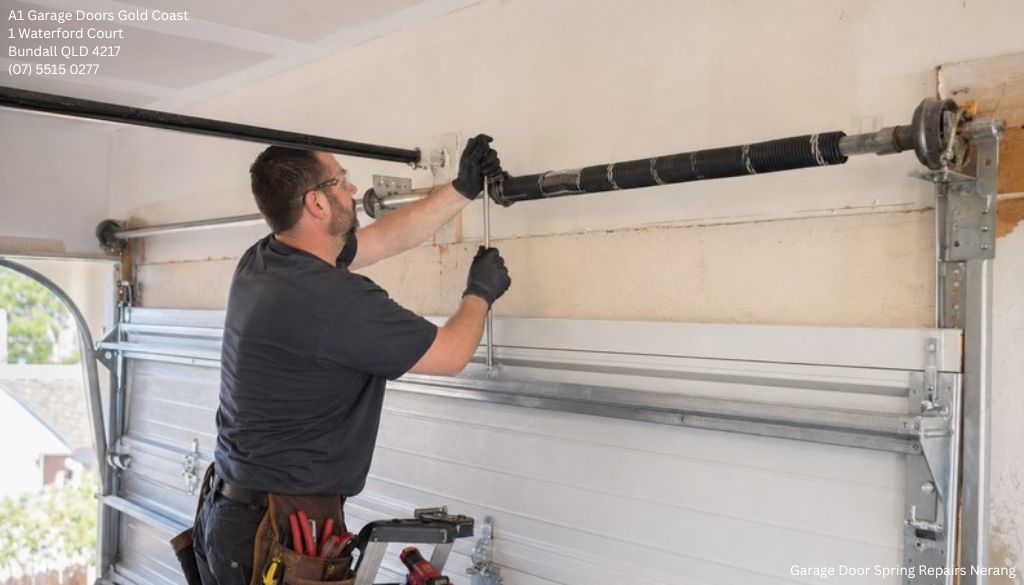
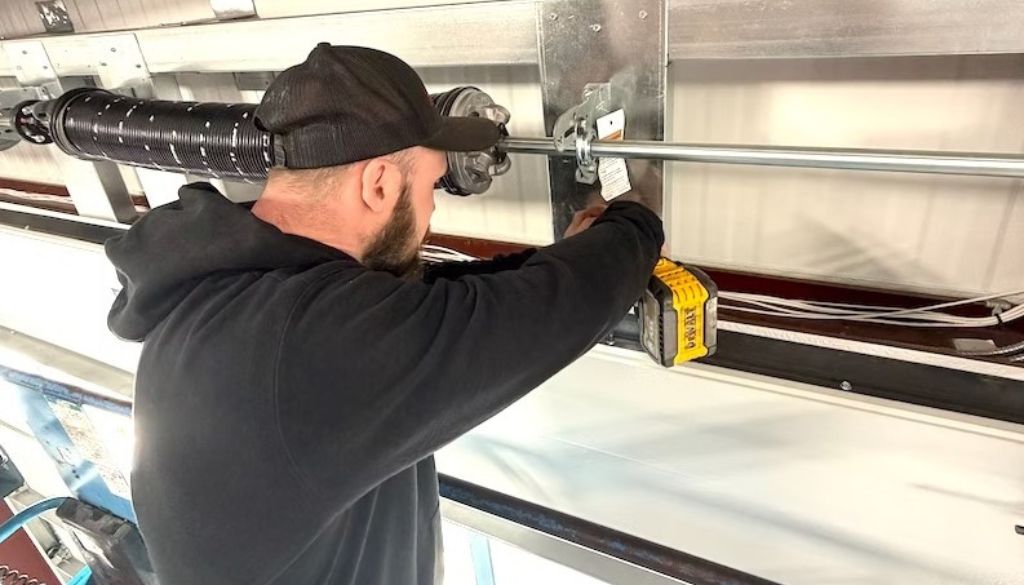
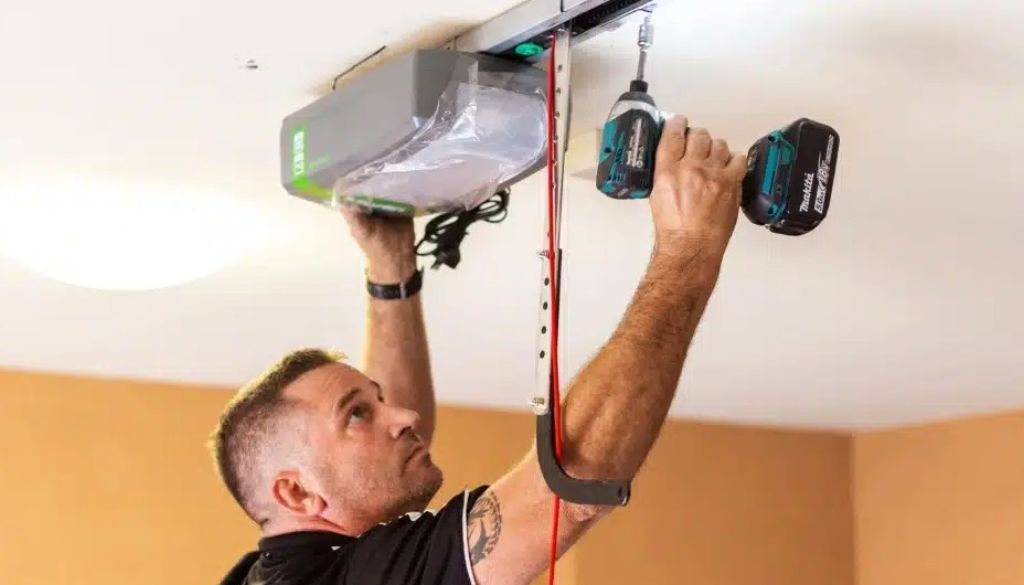
If the auto-reverse fails, a technician checks the door's balance and movement first, since a hard-to-move door confuses the force sensing, then sets the force and travel limits correctly on a sound door. For the sensor side, they align, clean and test the photo-eyes and their wiring. They finish by repeating the reversal tests to confirm both systems work, so the safety function is verified rather than assumed.
When to Call a Professional
If your door fails either reversal test, a technician can find and fix the cause and confirm the auto-reverse is working properly. Because this is the door's primary safety feature, a failure is worth addressing promptly rather than living with.
Frequently Asked Questions
How do I test my garage door's auto-reverse?
Place a firm object in the door's path and close the door; it should reverse on contact. Separately, break the sensor beam with a long object as it closes; it should also reverse. Never use your body.
How often should I do this test?
About once a month is a common recommendation, and always after any work on the door, opener or sensors.
My door crushed the test object. What now?
professional installation Gold CoastThat is a failed test indicating a safety fault. Stop relying on the door to reverse and have it checked, as it could close on something.
Is the contact test the same as the sensor test?
No. The contact test checks the force-sensing reversal, while the beam test checks the photo-eye sensors. Both should be confirmed.
About A1 Garage Doors Gold Coast
A1 Garage Doors Gold Coast services homes and businesses across the Gold Coast and surrounding suburbs for repairs, replacements and installations. Contact details are below.
A1 Garage Doors Gold Coast
1 Waterford Court, Bundall, QLD 4217 Phone: (07) 5515 0277 Website: https://goldcoastgaragedoorrepair.com.au Auto-reverse is the safeguard that stops your heavy door closing on a person, pet or vehicle, and it works through both the contact force-sensing and the photo-eye beam. Testing it takes a minute: a firm object in the path should make the door reverse on contact, and breaking the beam should reverse it too, always using an object rather than yourself. Run these checks monthly and after any door work, and never respond to a failed test by raising the force. A door that won't reverse is a hazard worth fixing without delay.