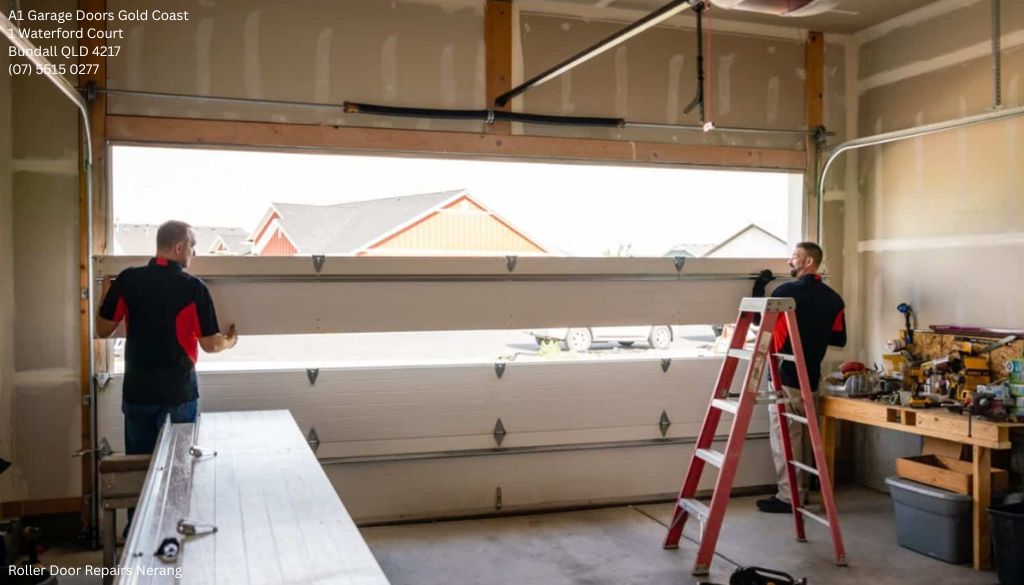
Garage Door Tracks Guide: How Tracks Help Guide Safe Door Movement
Garage door tracks do not lift the door, and they do not carry the same stored energy as garage door springs. Still, they are one of the most important parts of a safe, reliable garage door system. The tracks give the door a controlled path. They keep the rollers moving in the right direction, help the sections transition from vertical to horizontal travel, and reduce side-to-side movement that can lead to binding, noise, and uneven operation.
When tracks are clean, secure, and properly aligned, most homeowners barely notice them. When they are bent, loose, dirty, or out of position, the entire door can feel wrong. A door may scrape, chatter, stop halfway, reverse unexpectedly, or look crooked in the opening. In some cases, the opener gets blamed for a problem that started with the tracks or rollers.
Understanding how garage door tracks work helps with garage door troubleshooting, routine garage door maintenance, and safer long-term ownership. It also helps homeowners know when a simple cleaning or lubrication task is reasonable and when garage door repair should be left to a qualified technician.
What garage door tracks actually do
A sectional garage door moves through a guided path. The door is made of panels connected by hinges, with garage door rollers attached along the sides. Those rollers ride inside the garage door tracks. As the door opens, the rollers move up the vertical tracks, through the curved track sections, and into the horizontal tracks near the ceiling.
The tracks are not meant to pull the door. That job belongs to the spring system and, when installed, the garage door opener. Garage door springs, including torsion springs mounted above the door, store and release energy to balance the door’s weight. The opener provides controlled movement, but it should not be struggling to drag a heavy, unbalanced door through damaged tracks. The tracks guide. The rollers roll. The springs balance. The opener moves the balanced door.
That division of labor matters. If the door is binding in the tracks, the opener may strain or stop. If the springs are not balancing the door correctly, the rollers and tracks may see extra stress. If garage door cables or hinges are damaged, the door may not sit squarely in the track path. A garage door is a system, and the tracks are only one part of that system, but they are a part that often reveals problems elsewhere.
A properly functioning track system allows the door to travel smoothly with minimal scraping or resistance. You may hear a normal rolling sound, especially on an older door, but you should not hear grinding, harsh rattling, or repeated popping. Those sounds often point to parts that need cleaning, adjustment, lubrication, or inspection.
The main sections of a track system
Most residential sectional doors use a combination of vertical, curved, and horizontal track sections. The vertical tracks run along the sides of the door opening. The horizontal tracks extend back into the garage, usually supported near the ceiling. The curved sections connect the two and allow the door to transition from upright to overhead travel.
The rollers are the moving contact points. They sit in the tracks and attach to the door through hinges and brackets. When the door opens, each roller follows the track path. If one roller is worn, dry, or damaged, the door may still move, but the movement becomes less smooth. If several rollers are worn or dirty, the door may become noisy and uneven.
Hinges also affect track performance. Hinges allow the door sections to bend as they move through the curved track. When hinges are dry or loose, the door may creak, bind, or shift slightly during travel. That movement can make it seem as if the tracks are the only issue, even when the real problem includes hinges or rollers.
Tracks are usually fastened to the garage framing and supported by brackets. These fasteners help hold the track position under repeated daily movement. If a bracket loosens, a track can shift just enough to create rubbing or binding. This is why a garage door inspection should include more than a glance at the opener and springs. The side tracks, brackets, rollers, hinges, cables, sensors, and door balance all deserve attention.
Why track problems develop over time
Garage door tracks live in a rough environment. They sit close to the floor, where dust, grit, leaves, and moisture collect. They experience vibration each time the door opens or closes. They may be bumped by trash cans, bicycles, yard tools, or vehicles. Even a small impact can change the track shape or position.
Dirt buildup is one of the most common and least dramatic causes of rough movement. Tracks can collect debris that interferes with roller travel. A little dust usually does not matter. Packed dirt, hardened residue, or small objects in the track can make the rollers jump or scrape. In many garages, the lower few feet of the vertical tracks get dirtiest because they are closest to the floor.
Fasteners can also loosen with time. Every door cycle creates motion. Over months and years, that vibration can affect brackets and hardware. Loose hardware does not always create an immediate failure. It may begin as a slight rattle, then become a track that moves under load, then become a door that rubs or binds.
Track issues can also appear after other parts wear. For example, worn garage door rollers may wobble inside the track. Dry hinges may cause the door sections to move stiffly through the curve. A door with poor garage door balance may place added strain on the opener and hardware. The symptom may show up as noisy tracks, but the cause may involve multiple components.
Accidental impact is another common source. A vertical track can be bent inward by a vehicle tire, a heavy storage bin, or a tool cart. If the bend is small, the door may still move but scrape at the damaged point. If the bend is severe, the door may jam or a roller may have trouble staying in the track. A homeowner may be tempted to force the door through the rough spot, but forcing a garage door can make the damage worse and may create a safety hazard.
Signs your garage door tracks need attention
Garage door tracks often give warning signs before a major problem occurs. The key is noticing changes. A door that has sounded the same for years and suddenly starts grinding is telling you something. A door that begins closing unevenly may have a track, roller, cable, spring, or balance issue. The exact cause needs inspection, but the symptom should not be ignored.
Common warning signs include:
- Scraping, grinding, rattling, or binding during travel
- A door that looks crooked in the opening or does not move evenly
- Rollers that appear loose, worn, or unable to roll smoothly
- Visible bends, dents, gaps, or loose track brackets
- An opener that stops, reverses, or seems to strain during normal operation
Noise alone does not prove a serious track problem. Many noises come from dry rollers, hinges, or springs that need appropriate garage door lubrication. Still, noise paired with visible track damage or uneven travel deserves prompt attention.
A door that reverses while closing can have several causes. Garage door sensors may detect an obstruction or may not be aligned correctly. The opener may also react to resistance if the door binds. Because automatic garage door openers depend on proper installation, maintenance, and safety systems, a reversing door should not be treated as a nuisance to override. The safe approach is to check for obvious obstructions, inspect the tracks and rollers visually, and make sure the safety sensors are clean and properly positioned. If the cause is not clear, professional garage door repair is the better choice.
Tracks, rollers, and lubrication: what to maintain and what to avoid
A smooth track system depends more on clean surfaces and healthy rollers than on filling the tracks with lubricant. Many homeowners assume that noisy tracks need heavy oil inside the channel. That can backfire. Oil-based products can attract dirt, and dirt buildup can create more friction over time.
For garage door lubrication, focus on the moving mechanical parts that are designed to pivot or roll, such as hinges, rollers, and springs. A silicone-based lubricant is commonly recommended for these components. Tracks should generally be kept clean rather than coated with sticky residue. If the track channel is dirty, wipe it out with a clean cloth. Removing grit often improves movement more than adding lubricant.
Rollers deserve special attention because they directly interact with the tracks. A roller that does not roll well may slide or chatter, creating noise and wear. If rollers are worn or damaged, lubrication may quiet them temporarily, but it will not restore their condition. Roller replacement may be part of a proper repair plan, especially on a door that has become loud or uneven.
Hinges are another practical maintenance point. Dry hinges can squeak and make the door movement feel stiff as the panels pass through the curved track. A small amount of the correct lubricant at hinge pivot points can make a noticeable difference. Springs may also be lubrication points, depending on the door system and manufacturer guidance, but spring systems store energy and should be treated with caution.
Garage door maintenance works best when it is consistent and modest. A homeowner who inspects, cleans, and lubricates appropriate points periodically is less likely to face sudden binding or harsh noise. The goal is not to make the system silent. The goal is smooth, controlled movement without scraping, jerking, or strain.
How track alignment affects the opener
The garage door opener is often the first part blamed when the door does not move correctly. That is understandable because the opener is visible, motorized, and noisy when it struggles. But an opener is only one part of the system. If the tracks are dirty, bent, or misaligned, the opener may be reacting to resistance rather than causing it.
A properly balanced door should move without excessive force. Garage door springs do most of the lifting work by balancing the weight of the door. Torsion springs, commonly mounted above the door, unwind as the door opens and are often used for heavier or high-use doors. When the spring system is doing its job and the tracks are guiding properly, the opener can move the door in a controlled way.
If the door binds in the track, the opener may stop or reverse. That behavior can look like an opener problem, a sensor problem, or a track problem. The difference matters. Replacing an opener will not solve a bent track. Adjusting sensors will not fix worn rollers. Lubricating hinges will not correct a door that is out of balance.
A helpful homeowner observation is to watch the door from a safe distance while it moves. Look for the point where the sound changes or the motion hesitates. If the same roller area scrapes at the same track point every time, track or roller damage may be involved. If the entire door seems heavy or uneven, balance, springs, or cables may be part of the issue. If the door reverses before touching anything and the track movement looks smooth, garage door sensors may need attention. These observations help describe the problem clearly when scheduling service.
Safety concerns around tracks and moving doors
Garage door safety depends on proper installation, use, and maintenance. Automatic garage door openers in the United States are required to comply with entrapment-protection requirements for operators manufactured on or after January 1, 1991. Homeowners should expect a modern automatic door system to include a sensor or electric eye that reverses the door if someone enters the closing path.
Tracks matter because they help keep the door moving along the intended path. If a track is bent, loose, or obstructed, the door may not travel predictably. A heavy sectional door that binds or shifts is not something to force by hand or with the opener. The weight of the door is balanced by springs and controlled by hardware, but when that system is compromised, the risk increases.
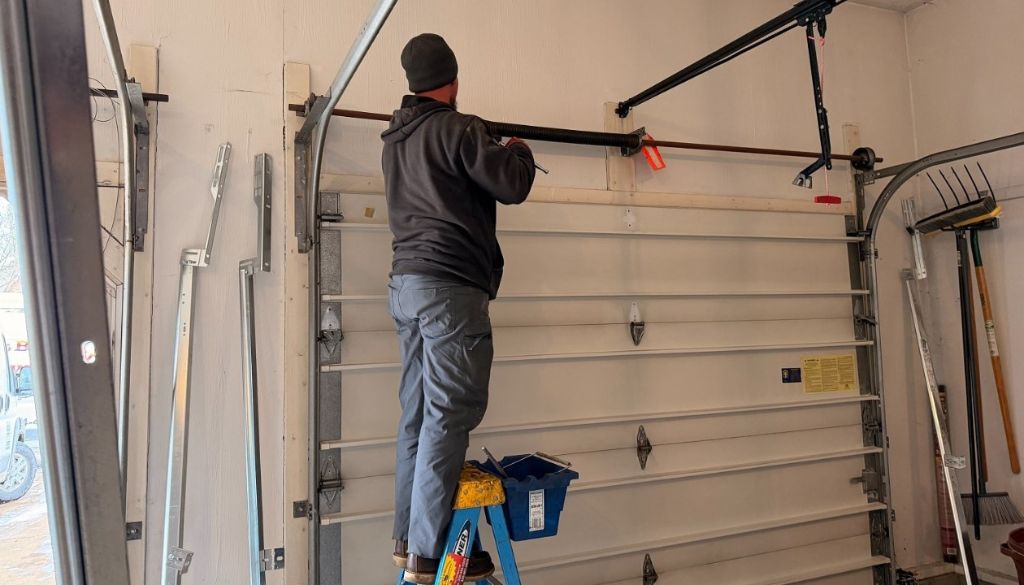
Children and pets add another layer of concern. The track area, roller area, and gaps between moving sections are not safe places for hands, paws, toys, or storage items. A garage door may seem slow, but it is still a large moving object. Teach children to keep away from the door while it is operating and to use wall controls only as intended. Keep the sensor path clear and avoid placing objects near the lower tracks.
A door that has come partly out of its tracks, has visibly damaged cables, or hangs unevenly should be treated as a serious service issue. Do not try to pull it back into place while the opener is connected or while the door is under tension. Garage door springs and cables can be hazardous because they are part of the balancing system. Track repair sometimes looks simple from the outside, but the surrounding components may be under load.
What homeowners can safely inspect
A homeowner can learn a lot from a visual garage door inspection without loosening parts or taking risks. The safest inspections happen with the door fully closed, the opener not actively running, and people kept clear of the door path. You are looking for obvious changes, not trying to rebuild the system.
A simple inspection can include:
- Look along both vertical tracks for dents, bends, or areas where rollers rub.
- Check whether brackets appear secure and whether any fasteners are visibly missing.
- Wipe dirt and debris from the inside of accessible track areas.
- Watch the rollers during one full open and close cycle from a safe distance.
- Test the opener safety reversal system according to the manufacturer’s instructions.
That last point is important. Garage door sensors are a safety device, not an optional convenience. If the door does not reverse when the sensor beam is interrupted during closing, the system needs attention. If sensors have been moved, blocked, or damaged, the opener may not behave as intended.
Homeowners should avoid loosening track brackets, removing rollers, adjusting cables, or working on springs unless they have proper training. A track may be connected to parts of the system that are influenced by spring tension or door weight. Even a simple adjustment can change how the door sits and moves. If the door is heavy, crooked, jammed, or partly off track, stop using it and call for qualified service.
Cleaning garage door tracks the practical way
Cleaning tracks is not complicated, but it should be done with care. The purpose is to remove debris that interferes with roller travel. A dry cloth or mildly damp cloth is often enough for ordinary dust. Pay particular attention to the lower portions of the vertical tracks, where grit tends to collect.
Avoid packing lubricant into the track channel. A clean track gives rollers a better path. A sticky track collects grime. If previous oil or residue has attracted dirt, cleaning may take more effort, but the result is usually worth it.
After cleaning, open and close the door while standing clear of the path. Listen for changes. A cleaner track may reduce scraping or chatter, but it will not correct a bent rail, worn roller, or poor door balance. If the same noise remains at the same location, look closely for a visible obstruction, damaged roller, or track deformation. If nothing obvious appears, a professional inspection can identify issues that are difficult to see from the floor.
Garage door lubrication should be handled separately from track cleaning. Apply the appropriate lubricant to hinges, rollers, and springs as recommended for the door system. A silicone-based product is generally preferred for these components, while oil-based products that attract dirt are best avoided. Use enough to treat the moving part, not so much that lubricant drips onto the floor or collects dust.
When track problems point to a larger system issue
Sometimes the tracks are blamed because they are easy to see, but the underlying issue sits elsewhere. A garage door is an assembly of panels, tracks, rollers, hinges, springs, cables, sensors, and an opener. These parts interact every time the door moves.
A door that drifts to one side, hangs unevenly, or will not stay aligned may have cable or spring issues. Garage door cables help lift and support controlled movement with the spring system. If a cable is damaged or not working properly, the door can become uneven, which affects how rollers sit in the tracks. That is not a situation for guesswork.
A door that feels unusually heavy may have a balance problem. Garage door balance depends heavily on the spring system. When springs no longer balance the door correctly, the opener may work harder, rollers may experience extra strain, and tracks may show symptoms even though they are not the root cause. Torsion springs and garage door services other spring systems store energy, so adjustment or replacement should be handled by someone qualified.
A door that reverses while closing may involve safety sensors, opener settings, track resistance, or a combination of factors. Since entrapment protection is central to automatic opener safety, bypassing or ignoring sensor behavior is not appropriate. The door should reverse when something enters the closing path. If it reverses with nothing in the way, the problem should be diagnosed rather than defeated.
A door that has been hit by a vehicle may need more than track straightening. Panels, hinges, rollers, and cables can all be affected by impact. Even if the door opens once after the accident, hidden stress may show up later. In those cases, continued use can worsen the damage.
Tracks and new garage door installation
During garage door installation, track placement influences the way the door moves for years. Tracks must align with the door size, roller position, and available headroom. The opener also needs to match the door system and be installed with required safety devices. Certified products, proper installation, and attention to applicable requirements all matter for automated doors.
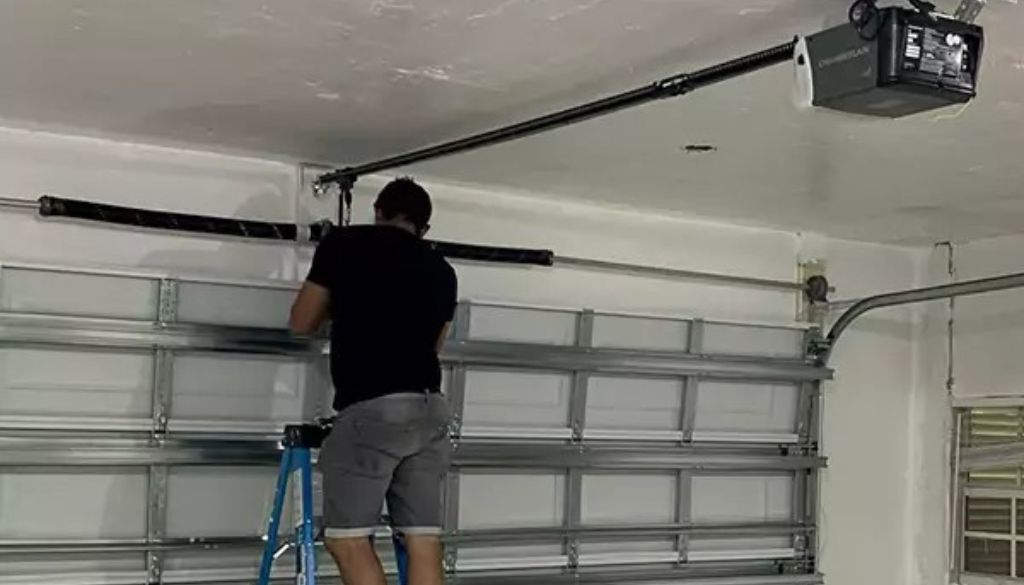
A new door is not just a fresh set of panels. It is a coordinated system. Panels, tracks, rollers, hinges, springs, cables, opener, and sensors all need to work together. If the tracks are poorly positioned, the door may rub or bind even if the door itself is new. If the opener is installed without proper attention to the safety system, the door may not provide the protection homeowners expect.
Homeowners comparing garage door replacement options should pay attention to hardware quality and installation skill, not only appearance. A good-looking door with sloppy track installation can become noisy and frustrating. A properly installed door with clean tracks, well-fitted rollers, correct balance, and functional sensors should feel controlled and consistent.
If replacing an old opener with a new automatic opener, the condition of the existing door and tracks should be evaluated first. An opener should not be used to compensate for a door that is hard to move, out of balance, or mechanically damaged. Fixing the door system before installing or relying on an opener protects the equipment and improves safety.
Why forcing a stuck door is a bad trade-off
A garage door that sticks halfway creates pressure to act quickly, especially when a car is trapped inside or bad weather is coming. Forcing the door may seem practical in the moment, but it can turn a repairable issue into a more expensive and dangerous one.
If a roller is binding in a bent section of track, pushing the opener button repeatedly can stress the opener, hinges, rollers, and brackets. If the door is crooked because of a cable or balance problem, forcing it may increase the misalignment. If the door is partly out of track, pushing or pulling can cause sudden movement.
The better approach is to stop and observe. Is there an obvious object in the track? Are the sensors blocked? Is a roller visibly jammed? Is the door hanging unevenly? If the problem is a small piece of debris in the lower track, clearing it may solve the issue. If the door is crooked, damaged, or heavy, stop using it until it can be inspected.
A common field pattern is the door that “only catches a little” for several weeks. The homeowner keeps using it because it still opens. Over time, the catching becomes louder, the opener strains more, and the track or roller damage worsens. Early attention is usually cheaper and safer than waiting for the door to jam.
Maintenance habits that extend track and roller life
Long-term ownership is mostly about consistency. Garage doors do not need constant attention, but they do need periodic care. Tracks benefit from being kept clean. Rollers and hinges benefit from proper lubrication. Safety systems benefit from regular testing. The whole system benefits from a homeowner who notices changes early.
Listen to the door from time to time. The ear catches changes that the eye misses. A new rattle near one side, a grinding sound at the same point of travel, or a louder opener motor can be an early warning. Look at the tracks after moving storage items around the garage. It is easy to bump a lower track without realizing it.
Keep the area around the tracks clear. Yard tools, bicycles, boxes, and children’s toys should not lean against the track assemblies. Even light pressure can affect alignment over time, and a hard bump can bend metal or loosen brackets.
Include the safety sensors in your maintenance routine. The sensor path should remain clear, and the door should reverse if someone or something enters the closing path. Because proper installation and maintenance are part of garage door safety, sensors should not be taped over, bypassed, or treated as an annoyance.
Professional inspection has value when the door is noisy, uneven, or aging. A trained technician can evaluate garage door balance, spring condition, cable condition, roller wear, track alignment, opener function, and sensor operation as a connected system. That broader view prevents the common mistake of fixing the loudest symptom while missing the cause.
Common homeowner questions about garage door tracks
Should garage door tracks be lubricated?
The tracks themselves are usually best kept clean rather than coated with lubricant. Lubrication belongs on moving mechanical points such as hinges, rollers, and springs, using a suitable product such as a silicone-based lubricant. Heavy oil inside the tracks can attract dirt, which may create more noise and resistance later.
Can a bent garage door track be repaired?
Minor track issues may sometimes be corrected, but whether repair is appropriate depends on the location and severity of the damage, the condition of the rollers, and whether the door is still aligned. A visibly bent track that causes binding should be inspected before continued use. If the door is crooked, jammed, or partly out of track, stop operating it and arrange service.
Why does my door scrape on one side?
Scraping on one side may come from track misalignment, a bent track, worn rollers, loose hinges, or a door that is not sitting squarely because of a balance, spring, or cable issue. The location of the scrape helps narrow the cause. If it happens at the same spot each cycle, look for damage or debris there. If the whole door seems uneven, the issue may be larger than the track.
Are noisy tracks dangerous?
Noise is a warning sign, not a diagnosis. Squeaks, rattles, grinding, and binding often point to parts that need cleaning, lubrication, or inspection. A light squeak from a dry hinge is different from grinding paired with jerky movement. If noise is new, harsh, or accompanied by uneven travel, treat it seriously.
Do tracks affect garage door sensors?
Tracks and sensors perform different jobs, but both affect safe operation. Sensors monitor the closing path and should reverse the door if something enters that path. Tracks guide the physical movement of the door. If a track problem causes binding, the opener may stop or reverse. If sensors are blocked or misaligned, the opener garage door guide may also reverse. Both should be inspected when a door will not close normally.
The practical takeaway for safe door movement
Garage door tracks are simple in appearance, but they play a precise role. They guide the rollers, support predictable travel, and help the door move smoothly from closed to open and back again. They work best when clean, secure, and paired with healthy rollers, hinges, springs, cables, sensors, and a properly functioning opener.
For homeowners, the most useful habits are straightforward: keep tracks clean, lubricate the correct moving parts, test the safety system, watch for uneven movement, and avoid forcing a stuck door. When the problem involves visible damage, poor balance, cables, springs, or a door that has come out of alignment, professional garage door repair is the safer choice.
A well-maintained track system does not draw attention to itself. The door moves without drama, the opener does not strain, the sensors remain ready, and the hardware works as a coordinated system. That quiet reliability is exactly what garage door maintenance is meant to protect.