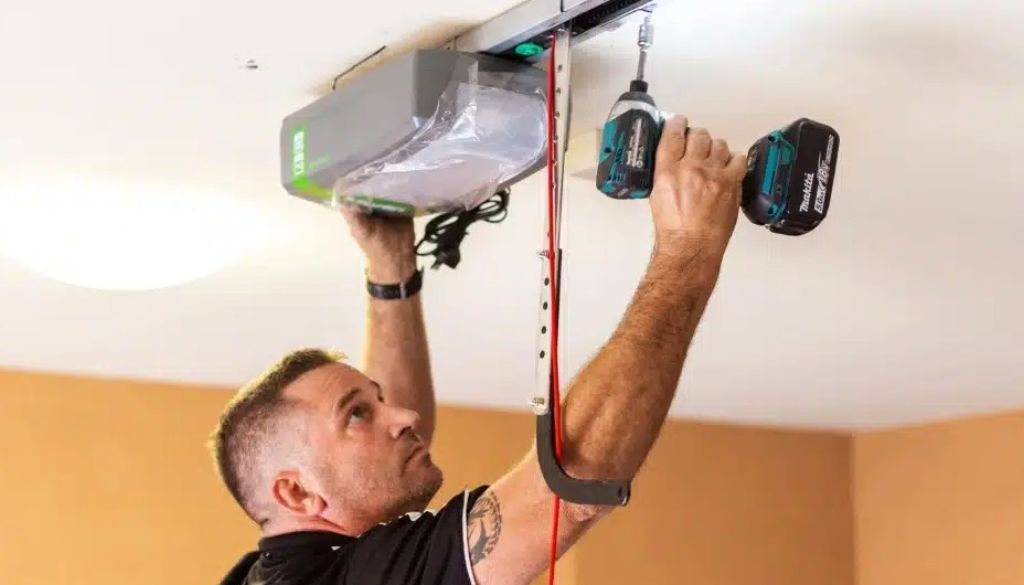
Garage Door Inspection Guide for Automatic Opener Safety
A garage door with an automatic opener is one of the heaviest moving systems most people use every day without thinking much about it. It opens while someone is backing out for work, closes while children are carrying sports bags through the garage, and often becomes the main entrance to the home. That convenience is exactly why garage door safety deserves regular attention. A door that works properly fades into the background. A door that fails to reverse, closes unevenly, or operates with damaged hardware becomes a real hazard.
Residential automatic garage door openers in the United States are subject to a mandatory federal safety standard. That standard requires entrapment protection, such as photoelectric “electric eye” sensors or an equivalent safety system. The purpose is simple: a closing door must be able to detect trouble and stop or reverse before someone is trapped or injured.
The most important point for homeowners is also the easiest to overlook. Safety devices are not “set and forget” parts. They need to be present, aligned, clean, and tested. The Consumer Product Safety Commission has warned repeatedly that non-reversing garage door openers are hazardous, and it recommends monthly testing of the safety reversal system. If the door does not reverse when it should, the opener should be adjusted according to the owner’s manual or inspected by a qualified professional.
A good garage door inspection is not about taking the whole system apart. It is about observing how the door behaves, confirming that the automatic opener’s safety systems work, and recognizing when garage door repair is no longer a do-it-yourself matter.
Why automatic opener safety cannot be treated as optional
The danger with a faulty garage door opener is not theoretical. Entrapment incidents involving automatic garage doors have caused deaths, which is why safety standards and reversal systems matter so much. The system has to protect people who may not react quickly, including small children, older adults, and anyone carrying items through the opening.
A properly functioning garage door opener should reverse when the door closes onto an obstruction. That is the basic safety expectation. The photoelectric sensors, often mounted near the bottom of the garage door tracks, provide another layer of protection by detecting an object or person in the door’s path before contact occurs. If the sensors are missing, blocked, misaligned, or bypassed, the opener may lose a critical part of its entrapment protection.
There is also a human behavior issue. People get used to stepping under a moving garage door. Children may race under it as a game. Remote controls may be left in places where children can reach them. Safety equipment helps, but it does not replace safe habits. Children should be taught not to play near the garage door, not to run under a moving door, and not to use the remote or wall control as a toy.
The opener is only one part of the system. Garage door springs, torsion springs, garage door cables, rollers, tracks, hinges, brackets, and the door itself all affect how safely the opener can operate. A strained opener may continue pulling on a door that is binding in the tracks. A damaged cable may create uneven movement. Worn garage door rollers may make the door shake, jerk, or drag. A door with poor garage door balance can put extra load on the opener and create unpredictable movement. Inspection is the habit that connects all these pieces before a small defect becomes a larger failure.
Start by watching the door move
The first inspection tool is not a wrench. It is your attention.
Stand inside the garage, keep clear of the door’s path, and watch a full open and close cycle. Listen as well as look. A healthy system should move in a controlled way. It should not slam, lurch, scrape, twist, or hesitate sharply. Some sound is normal, especially with older doors, but sudden changes matter. A new grinding noise near the garage door tracks, a pop near the spring area, or a chatter from the opener rail should not be ignored.
Look at the bottom edge as the door closes. It should stay reasonably level. If one side leads the other, the problem may involve garage door cables, rollers, tracks, or spring tension. Do not try to correct spring or cable problems casually. These parts carry serious force, and the risk rises quickly when someone starts loosening hardware without the right training.
Also watch the opener arm and the top section of the door. If the opener appears to yank the door hard at the start of travel, the door may be too heavy for the opener to move comfortably, or the door may be sticking. An automatic opener is not meant to compensate for a poorly operating door. When the door itself is difficult to move, the opener becomes a motorized workaround for a mechanical problem, and that is not a safe long-term arrangement.
Garage door troubleshooting often begins with one question: did the behavior change? A door that has always been slightly loud is different from a door that became loud last week. A door that has always closed smoothly but now reverses randomly deserves attention. A door that worked fine until a ladder, bicycle, or trash bin bumped a sensor may simply have an alignment issue, but the inspection should confirm that rather than assume it.
Confirm that photoelectric sensors are present and working
Modern residential automatic opener safety relies heavily on entrapment protection. Photoelectric sensors are the most familiar version. They are usually installed on both sides of the door opening near the lower part of the tracks, facing each other across the opening. One sends a beam, and the other receives it. When something interrupts that beam while the door is closing, the opener should stop and reverse.
During a garage door inspection, confirm that sensors are installed, securely mounted, facing each other, and free from obvious obstruction. Dust, stored items, spider webs, and accidental bumps can all interfere with operation. The sensor area should not be used as a storage zone. A cardboard box leaning into the opening, a garden tool handle, or a child’s toy can create nuisance reversals, but those nuisance reversals are also a reminder that the sensors are doing important work.
Testing should be done carefully. The goal is to verify that the opener responds when the sensor beam is interrupted, without placing any part of your body under the door. With the door open and the path clear, activate the door to close, then interrupt the sensor beam with an object while staying safely outside the door’s path. The door should reverse. If it continues closing, stop using the automatic opener until the issue is corrected.
A sensor problem is sometimes simple, such as a blocked lens or a bumped bracket. But if cleaning and alignment according to the owner’s manual do not restore proper operation, professional garage door repair is appropriate. Bypassing sensors or taping controls to defeat safety functions is never a reasonable fix. It turns a protected automatic system into a hazard.
Perform the monthly reversal check
The safety reversal system should be tested monthly. That schedule matters because openers can drift out of adjustment, sensors can move, and door hardware can wear gradually. Monthly testing creates a routine. It also helps the homeowner notice changes before the door fails completely.
A properly functioning opener should reverse when the closing door meets an obstruction. The owner’s manual for the specific opener should guide the exact testing and adjustment procedure. If the door fails to reverse, the opener should be adjusted according to that manual or inspected by a professional. The important judgment call is not to keep using the door and hope it improves.
A simple monthly safety routine can be kept short:
This is one of those maintenance habits that takes less time than finding the problem after a near miss. In the field, many serious garage door complaints begin with a sentence like, “It had been acting strange for a while.” A monthly check interrupts that pattern.
Inspect the opener without ignoring the door
The garage door opener gets most of the attention because it has the motor, remote controls, and safety settings. But the opener can only work safely when the door itself is in sound operating condition. Garage door maintenance should include both.
Look along the garage door tracks. They should be secure and free of obvious obstruction. A track that has been hit by a vehicle bumper, storage rack, or heavy object may pinch the rollers and make the door bind. Even a small bend can change how the door travels. If the rollers scrape or climb oddly as the door moves, the opener may be fighting the door instead of guiding it.
Garage door rollers should remain seated in the tracks and roll smoothly. Worn or damaged rollers can make the door noisy and unstable. This is especially noticeable when the door shakes through the curved portion of the track. The problem may seem cosmetic at first, but rough travel affects the entire system, including the opener’s ability to sense resistance correctly.
Garage door cables deserve a cautious visual check. Look for obvious fraying, looseness, or a cable that appears out of place. Do not pull on the cables or try to rewind them. Cable and spring systems are linked, and stored force can be dangerous. If a cable looks wrong, the door should be inspected by a professional before further use.
The springs are another area where inspection should be visual, not hands-on. Torsion springs, often mounted above the door opening, help counterbalance the door’s weight. Other spring systems serve the same general purpose in different configurations. If a spring is broken, stretched, displaced, or making unusual noises, treat it as a professional repair issue. Garage door springs are not ordinary hardware. They are part of the lifting and balancing system, and mistakes around them can cause injury.
Garage door balance and why it affects opener safety
Garage door balance is a key concept in opener safety. A balanced door is supported properly by its spring system. An unbalanced door may feel heavy, drift, slam, or refuse to stay where expected. The opener may still move it for a while, but the opener is then carrying stress it was not meant to carry.
This matters for safety reversal because the opener’s response depends on the whole system behaving predictably. If the door binds in the tracks or is poorly balanced, the opener may reverse when nothing is in the way, or it may strain through movement that should have prompted a service call. Either condition deserves roller door repairs gold coast attention.
Homeowners often describe balance problems indirectly. They say the opener sounds tired. They say the door closes too hard. They say it reverses only in cold weather or only when the door is halfway down. Those symptoms may involve opener settings, but they may also point to mechanical resistance or spring issues. Proper garage door troubleshooting keeps both possibilities open.
If the door has to be disconnected from the opener for any reason, follow the owner’s manual and use care. A disconnected unbalanced door can move unexpectedly. If the door feels unusually heavy, drops, or will not move smoothly by hand, stop and call a professional. That is not the moment to experiment.
Remote controls, wall buttons, and child safety
Automatic garage door safety includes the controls, not only the moving parts. Remote controls should be kept out of children’s reach. Wall controls should not be treated like toys. Children should be taught that the garage door is machinery, not a game.
This advice may sound basic, but it addresses a real pattern of risk. Many homes use the garage as a play area, storage area, laundry entry, or workshop. Children may be present when adults are distracted. A remote left on a low shelf or in an unlocked vehicle can turn into an invitation. The safest system combines working sensors, a properly reversing opener, and clear household rules.
The door should never be used to “beat the clock.” No one should duck under it while it is moving. If something is left in the garage, open the door fully or use another entry. The few seconds saved by slipping under a descending door are not worth the risk, especially if a sensor is misaligned or the reversal force is not working correctly.
When lubrication helps and when it hides a problem
Garage door lubrication is a useful part of garage door maintenance, but it has limits. Lubrication can reduce friction and noise at appropriate moving points when performed according to the door and opener manufacturer’s instructions. It cannot fix a bent track, damaged roller, frayed cable, broken spring, or misaligned safety sensor.
A common mistake is to keep adding lubricant to a door that is getting louder. Sometimes the noise is not dryness. It may be a roller failing, a hinge shifting, or hardware loosening. Another mistake is using lubrication as a substitute for inspection. A quieter door is not necessarily a safer door if the opener fails the reversal test.
The professional approach is to inspect first, then lubricate where appropriate. Listen before and after. If the sound improves but the movement still looks uneven, the underlying problem remains. If the opener still does not reverse properly, lubrication has not addressed the safety issue. Entrapment protection and reversal function are the priorities.
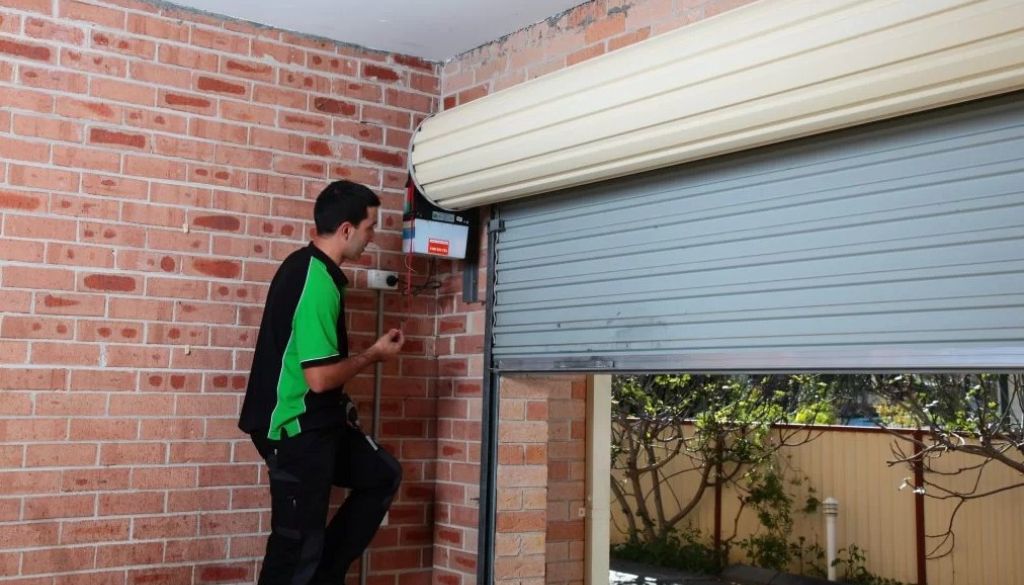
Signs that professional garage door repair is the safer choice
Some garage door issues are suitable for careful homeowner attention, such as clearing sensor obstructions, cleaning around the tracks, keeping remotes away from children, and performing monthly safety checks. Other issues call for trained service. The distinction matters because garage doors combine weight, stored spring force, electrical components, ceiling-height work, and cramped working positions.
Installation and repair work around garage doors can involve physical hazards, including work at ceiling height, awkward posture, hand tools, and tight spaces. A rushed repair from a ladder, especially near the opener rail or spring assembly, can create more risk than the original problem. Professional technicians are used to staging the work, controlling the door, and identifying which component is actually causing the symptom.
Call for professional garage door repair when the door fails to reverse after following the owner’s manual, when sensors are missing or cannot be made to work, when springs or cables appear damaged, when the door is crooked, when the opener strains or overheats, or when the door has been struck and no longer travels cleanly. If there is any doubt about the spring system, stop. Torsion springs and related hardware are not parts to loosen casually.
Garage door replacement may be the better discussion when the door is repeatedly unsafe, severely damaged, or no longer compatible with reliable automatic operation. Replacement is not only about appearance. A new garage door installation may also address structural damage, poor tracking, outdated hardware, or an opener setup that cannot be brought into safe working condition. That decision should be based on inspection, not guesswork.
Opener age, safety expectations, and practical judgment
The key safety expectation is not complicated: the opener must have required entrapment protection and must reverse properly. If an older opener lacks working photoelectric sensors or an equivalent safety system, it should be evaluated carefully. A garage door opener that closes without proper reversal behavior is not merely inconvenient. It is a hazard.
Some homeowners hesitate to replace an opener because it still lifts the door. Lifting the door is only one part of the job. The opener also has to stop and reverse when conditions demand it. A motor that runs strongly but ignores an obstruction is not a good opener. It is a dangerous one.
There are also cases where the opener gets blamed for a door problem. A newly installed opener on a binding door may behave badly even if the opener itself is not defective. That is why a complete garage door inspection looks at the whole system before recommending adjustment, repair, or replacement. The right answer may be sensor alignment, door repair, spring service, track correction, opener adjustment, or full garage door replacement. The symptom alone does not always reveal the cause.
A practical inspection rhythm for real homes
The best inspection routine is one people will actually follow. It should not require special tools for basic safety checks, and it should fit into normal household life. Pick a regular monthly cue, such as the first weekend of the month or the day you test smoke alarms. Keep the opener owner’s manual accessible, either in print or digitally, because adjustment procedures vary by model.
A dependable rhythm looks like this in practice. First, watch the door operate while standing clear. Second, confirm that the sensors are visible, unobstructed, and responsive. Third, test the reversal system as directed by the owner’s manual. Fourth, look over the tracks, rollers, cables, and springs without touching high-tension parts. Fifth, decide honestly whether the system passed or needs service.
The inspection should answer five questions:
If the answer to any safety question is no, the door should not be treated as normal. For a sensor obstruction, the fix may be simple. For a failed reversal test, damaged hardware, or questionable springs and cables, the safer path is professional inspection.
What homeowners should not do
Good garage door maintenance includes restraint. Do not bypass sensors because the door keeps reversing. Do not hold down a control to force a closing door through a safety problem. Do not keep using an opener that fails to reverse. Do not adjust spring hardware unless you are trained and equipped for that work. Do not assume a loud or crooked door is harmless because it still opens.
The most concerning service calls often come after someone tried to “help” the system past a safety feature. The sensor was taped, the track was hammered, the opener force was increased without understanding why the door was resisting, or the spring system was touched without realizing how much force it held. These choices can turn a repairable problem into a dangerous one.
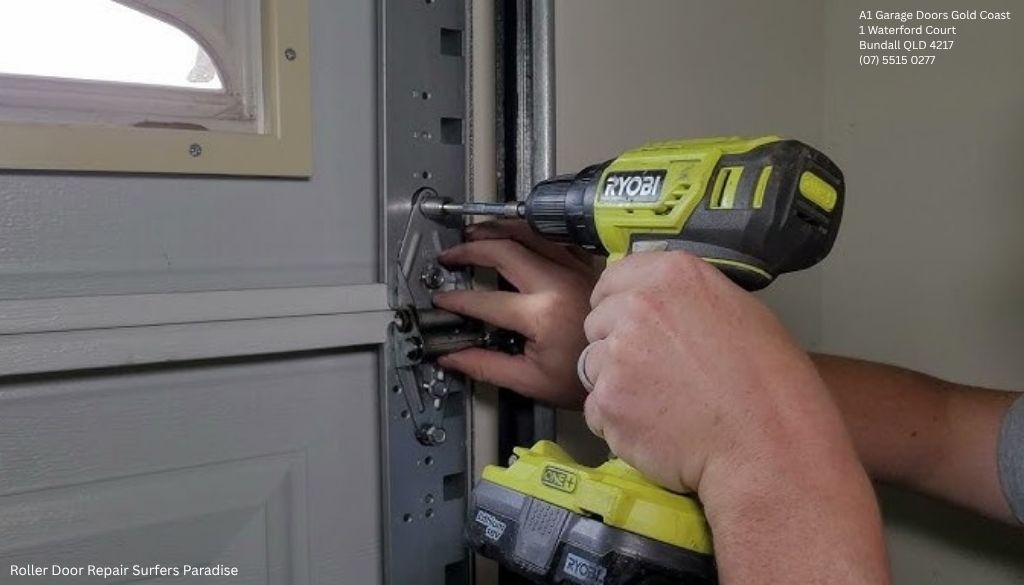
The better approach is slower and safer. Identify the symptom. Check the simple, low-risk causes. Use the owner’s manual for opener-specific adjustments. Bring in a professional when the problem involves reversal failure, damaged lifting hardware, door imbalance, or any part of the spring and cable system.
Keeping an automatic garage door safe over the long term
A safe garage door is the result of repeated small decisions. The sensors stay clear. The monthly reversal test gets done. The door is watched and listened to, not ignored. Children are taught that the door is not a toy. Remote controls are stored responsibly. No one defeats a safety device to avoid a service call.
Automatic openers have made garages more convenient, but that convenience depends on working entrapment protection and a sound mechanical door. The federal safety standard exists because the risk is real. The monthly test recommendation exists because safety systems can fail, move out of alignment, or be compromised over time.
For homeowners, the most useful mindset is simple: the opener is not safe just because it runs. It is safe when it stops and reverses correctly, when the photoelectric sensors or equivalent protection work, when the door moves smoothly, and when the springs, cables, rollers, and tracks support controlled travel. If an inspection shows otherwise, garage door repair is not a cosmetic upgrade. It is a safety step.
A professional inspection is worthwhile when the system gives mixed signals. Maybe the sensors work, but the door shakes. Maybe the opener reverses sometimes, but not consistently. Maybe the door looks level but sounds strained. These edge cases are where experience matters. A technician can separate an opener adjustment from a door balance issue, a sensor problem from a track problem, and a maintenance item from a replacement decision.
The goal is not to make every homeowner a garage door technician. The goal is to make every homeowner a better observer of a powerful moving system. Monthly testing, careful visual inspection, and prompt action when something fails are enough to prevent many hazards. When the door reverses properly, the sensors respond, the hardware looks sound, and the household treats the door with respect, the automatic opener can do what it was designed to do: provide convenience without compromising safety.